
When it comes to home improvement or construction projects, finding the right general contractor near you is crucial for success. A skilled professional can transform your vision into reality, ensuring quality workmanship and timely completion. However, the search for a reliable general contractor company near you can be overwhelming, especially with numerous options available in the market.
This comprehensive guide aims to simplify the process of finding the best general contractors near you, offering free estimates and valuable insights. From residential general contractors near you to professionals specializing in small jobs, we’ll explore key factors to consider. Readers will learn about the importance of local expertise, evaluating credentials, effective communication, and ensuring smooth project execution. With this knowledge, anyone can confidently embark on their construction journey, knowing they’ve chosen the right partner for their needs.
The Importance of Local Expertise
When searching for a general contractor near you, local expertise plays a crucial role in ensuring the success of your construction project. Local contractors bring a wealth of knowledge and experience specific to your area, which can significantly impact the quality and efficiency of your project. Butler Building and Restoration, a competent and qualified general contractor in Akron and nearby areas, exemplifies the benefits of choosing a local expert.
Understanding Local Building Codes
Building codes are essential rules and standards set by local authorities to ensure construction work meets safety, health, and performance measures. Local contractors have an in-depth understanding of these codes, which is invaluable for several reasons:
- Compliance: Adhering to local building codes is crucial to avoid penalties, project delays, and legal issues.
- Safety: Proper code compliance ensures the safety and integrity of the structure.
- Efficiency: Familiarity with local codes streamlines the permit process and inspections.
Local contractors, like Butler Building and Restoration, stay up-to-date with the latest code requirements and can navigate the complexities of local regulations more effectively than out-of-area contractors.
Knowledge of Regional Climate Considerations
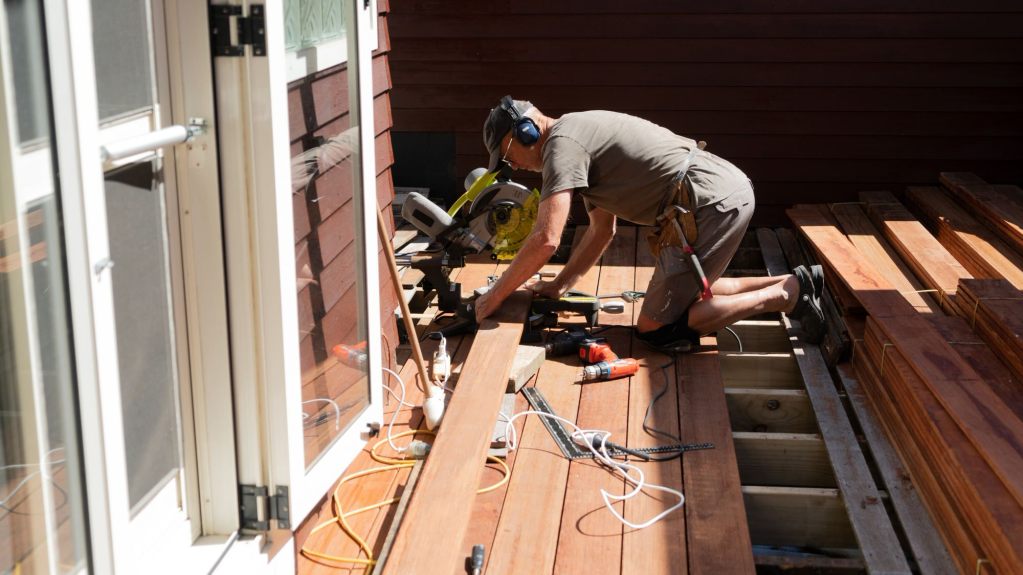
Each region has unique climate challenges that can impact construction projects. Local contractors have firsthand experience dealing with these specific conditions:
- Material selection: They know which materials perform best in the local climate.
- Design considerations: Local experts can recommend design features that withstand regional weather patterns.
- Seasonal planning: They understand the best times for certain construction activities based on local weather trends.
This knowledge helps prevent potential issues and ensures the longevity of your project.
Established Relationships with Local Suppliers
One of the most significant advantages of hiring a local contractor is their established relationships with local suppliers. These connections offer several benefits:
- Faster sourcing: Local contractors can quickly obtain materials, reducing project delays.
- Cost savings: Established relationships often lead to better pricing, which can be passed on to clients.
- Quality assurance: Familiarity with local suppliers means contractors can vouch for the quality of materials.
- Support for local economy: Working with local suppliers and contractors helps strengthen the local economy.
Local contractors, such as Butler Building and Restoration, have cultivated these relationships over time, ensuring smoother project execution and potentially better value for clients.
By choosing a local general contractor, you’re not just hiring a service provider; you’re tapping into a network of local knowledge and resources. This expertise can lead to more efficient project management, better problem-solving capabilities, and ultimately, a higher quality result that’s tailored to your specific local context. Whether you’re planning a renovation, new construction, or a small repair job, the importance of local expertise cannot be overstated in achieving a successful outcome for your project.
Evaluating a Contractor's Credentials
When searching for a general contractor near you, it’s crucial to evaluate their credentials thoroughly. This process helps ensure that you’re working with a qualified professional who can deliver high-quality work while protecting your interests. Butler Building and Restoration, a competent and qualified general contractor in Akron and nearby areas, exemplifies the importance of proper credentials in the construction industry.
Verifying Licenses and Permits
The first step in evaluating a contractor’s credentials is to verify their licenses and permits. Each state has its own set of regulations governing what a general contractor needs to work legally. To check a contractor’s license:
- Ask for their trade license number
- Visit your state’s licensing board website to verify the license
- Ensure the license is active and up-to-date
It’s important to note that a license typically means the contractor has registered with the appropriate agency, holds a minimum amount of bonding or insurance, and has passed certain competency tests. Some states may also require contractors to be registered, which involves paying a fee and proving they are insured.
Checking Insurance Coverage
Insurance is a critical aspect of a contractor’s credentials. At a minimum, a reputable contractor should have liability insurance and workers’ compensation coverage. To verify insurance:
- Request a certificate of insurance from the contractor
- Check if your state has an online contractor insurance lookup tool
- Verify that the coverage is current and adequate for your project
Liability insurance protects your property and family in case of damage or injury during the project. Workers’ compensation ensures that workers injured on the job have access to compensation for lost wages and medical services.

Effective Communication with Your Contractor
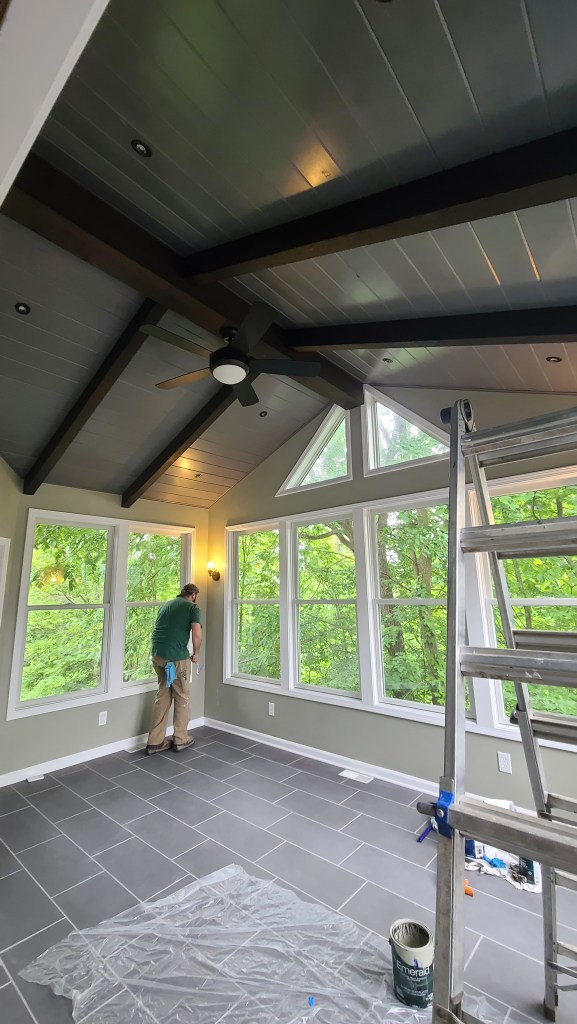
Effective communication with a general contractor is crucial for the success of any construction project. It helps maintain transparency, build trust, manage expectations, and resolve issues promptly. By establishing clear lines of communication, homeowners and contractors can work together seamlessly to achieve the desired outcome. Butler Building and Restoration, a competent and qualified general contractor in Akron and nearby areas, understands the importance of effective communication in ensuring project success.
Setting Clear Expectations
To start a project on the right foot, it’s essential to set clear expectations from the beginning. This involves:
- Organizing a kick-off meeting with the homeowner to review the contract and project details
- Assigning clear tasks to be completed by homeowners before construction starts
- Explaining what the contractor needs to do to prepare the construction site
- Discussing the project timeline, including start date and expected duration
By setting transparent and realistic goals, both parties can measure the project’s progress effectively. This approach ensures accountability and alleviates stress by preventing misinterpretations along the way.
Establishing a Communication Plan
A well-structured communication plan is vital for keeping all stakeholders informed and engaged throughout the project. Here are some key elements to include:
- Regular updates: Schedule weekly or bi-weekly progress updates with the homeowner
- Transparency: Be honest about any issues that arise during the construction process
- Prompt responses: Address concerns and questions from the homeowner in a timely manner
- Documentation: Keep a paper trail of all agreements, change orders, and updates
Establishing a clear communication schedule helps keep everyone on the same page and reduces the likelihood of misunderstandings. It’s also important to encourage feedback from the homeowner and involve them in the decision-making process where appropriate.
Handling Disputes and Changes
Despite careful planning, disputes and changes can occur during a construction project. Here’s how to handle them effectively:
- Be transparent about the reasons behind any change orders
- Provide clear explanations of changes, including their impact on timeline and budget
- Use visual aids to help homeowners understand the reasons for changes
- Discuss options for addressing unforeseen conditions
- Get agreements in writing, including any modifications to the project scope, timeline, or budget
When disputes arise, it’s crucial to have a frank but polite conversation with the contractor to explain any dissatisfaction. Often, contractors are willing to make changes or redo work for a discounted price to maintain a positive relationship with the client.
By implementing these communication strategies, homeowners and contractors can work together more effectively, reducing the likelihood of conflicts and ensuring a smoother project execution. Remember that effective communication is a two-way street, requiring effort and commitment from both parties to maintain open and honest dialogue throughout the construction process.

Ensuring a Smooth Project Execution
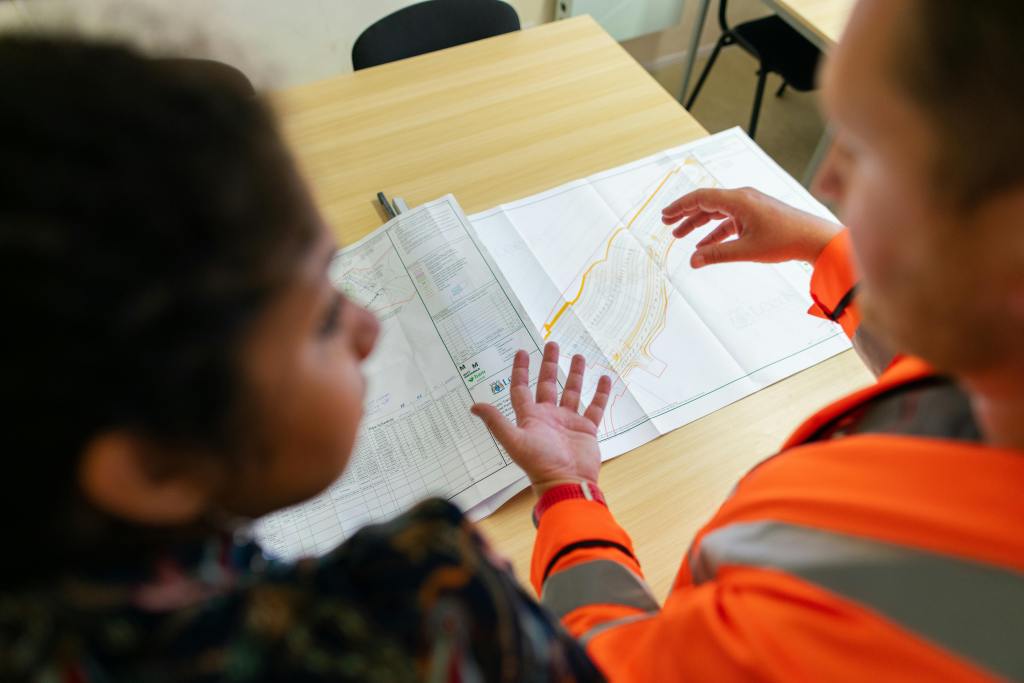
A construction timeline is a crucial tool for organizing a project effectively. It breaks down the project into individual tasks and milestones, attaching dates and deadlines to each. This provides a comprehensive view of the work to be done and when it should be completed. A well-structured timeline keeps all stakeholders on the same page, clearly outlining the construction workflow, task assignments, and responsibilities.
To create an effective timeline:
- Gather all project information, including plans, specifications, and procurement plans.
- Draft an initial schedule, factoring in task dependencies and including buffers for unexpected delays.
- Share the draft with stakeholders to confirm its viability.
- Refine the schedule based on feedback and include procurement and lead times for all tasks.
Butler Building and Restoration, a competent and qualified general contractor in Akron and nearby areas, understands the importance of thorough project timelines in ensuring smooth execution.
Managing Payments and Budgets
Effective financial management is critical for project success. A well-planned construction budget helps control costs, highlight project risks, and ensure profitability. It typically includes direct costs (labor, materials, equipment), indirect costs (administrative expenses, insurance), and contingency funds for unexpected events.
To manage payments and budgets effectively:
- Create a detailed payment schedule outlining payment amounts, due dates, and any associated penalties or incentives.
- Use applications for payment to request funds for completed work, providing necessary documentation to support claims.
- Keep accurate records of all payment-related documents, including contracts, invoices, and change orders.
- Utilize digital tools and software for construction budgeting to enhance accuracy and efficiency.
Conducting Regular Site Visits and Inspections
Regular jobsite inspections are essential for maintaining quality control, worker safety, and productivity. They allow project managers to document site conditions, identify deficiencies, and address potential issues proactively.
Key aspects of site inspections include:
- Daily inspections: General walkthroughs to collect data on day-to-day operations, identify potential quality issues, and prevent accidents.
- Quality control inspections: Performed by quality control managers or superintendents to ensure workmanship, materials, and equipment meet project standards.
- Health and safety inspections: Conducted to identify and address potential safety hazards on the jobsite.
To maximize the effectiveness of site inspections:
- Establish a regular inspection schedule based on project size and type.
- Use quality and safety management software to centralize information and simplify documentation.
- Promptly notify stakeholders when deficiencies are found and take corrective action.
By implementing these strategies for project timelines, financial management, and site inspections, contractors can ensure smoother project execution and increase the likelihood of successful outcomes. Butler Building and Restoration exemplifies the importance of these practices in delivering high-quality construction services in Akron and surrounding areas.